 Heavy Industry and Engineering
Standing Seam Metal Roof Contractor Reality Check: Expectations vs…
Understanding Standing Seam Metal Roofing
Standing seam metal roofing has emerged as a top choice for homeowners and builders alike, especially in regions experiencing extreme weather conditions. With its sleek design and robust performance, this roofing style offers both aesthetic appeal and practical advantages. As you consider your options for a new roof, working with a standing seam metal roof contractor can help guide you through the installation process and ensure a quality result that enhances your home.
What is Standing Seam Metal Roofing?
Standing seam metal roofing is constructed from interlocking panels that run vertically across the roof. This design not only creates a modern, streamlined appearance but also facilitates superior water drainage. The seams, which are raised, are designed to be hidden from view, further enhancing the aesthetics while protecting against the elements. Made typically from galvanized steel or aluminum, standing seam roofs are built to last.
Key Benefits of Standing Seam Metal Roofing
- Durability: One of the most significant advantages of standing seam metal roofs is their longevity. These roofs typically last 50 years or more, making them a worthwhile investment for homeowners.
- Weather Resistance: Designed to withstand heavy snowfall, high winds, and rain, standing seam roofs are ideal for various climates, ensuring that your home remains protected.
- Energy Efficiency: The reflective properties of metal roofing materials help reduce energy costs by keeping homes cooler in summer and warmer in winter.
- Low Maintenance: Unlike traditional roofing materials that require regular upkeep, standing seam roofs are low maintenance due to their durable nature and resistance to moss and mold.
Comparing Standing Seam to Other Roofing Types
When comparing standing seam metal roofing to other materials such as asphalt shingles or tile, several factors come into play. While asphalt offers initial cost savings, it typically requires more frequent repairs and replacements, resulting in higher long-term costs. On the other hand, tile roofs, while durable, can be significantly heavier and may require additional structural support.
Choosing the Right Standing Seam Metal Roof Contractor
Finding the right contractor is crucial to the success of your roofing project. Look for a standing seam metal roof contractor with extensive experience and positive customer reviews. An experienced contractor will understand the local building codes and climate considerations, ensuring your new roof is installed correctly and efficiently.
What to Look for in a Contractor
- Experience: Choose a contractor who specializes in standing seam metal roofing.
- Licensing and Insurance: Verify that the contractor is licensed and carries liability insurance to protect against potential damages or accidents.
- References and Reviews: Look for past customer testimonials and check online reviews to gauge the contractor’s reputation.
Questions to Ask Your Roofing Contractor
Before hiring a contractor, consider asking the following questions:
- What is your experience with standing seam metal roofing?
- Can you provide references from previous clients?
- What is included in your warranty?
- How do you handle unexpected costs during the installation process?
Understanding Contracts and Estimates
Ensure that you receive a detailed written estimate before commencing work. This estimate should outline the scope of work, materials used, timeline, and total costs. Understanding the contract terms will help ensure transparency and accountability throughout the project.
The Installation Process
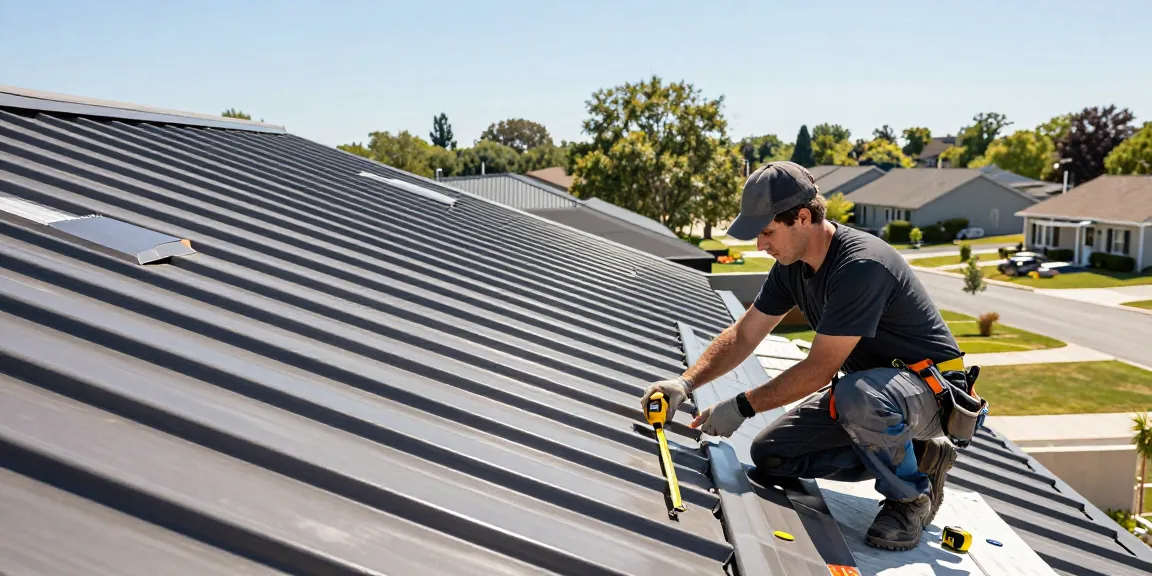
Installing a standing seam metal roof involves several key steps, each critical for ensuring the roof’s longevity and performance. A well-executed installation not only enhances the roof’s aesthetic appeal but also maximizes its functional benefits.
Step-by-Step Installation Guide
- Preparation: Remove old roofing materials and inspect the underlying structure for any damage.
- Underlayment Installation: Install a high-quality underlayment to provide additional moisture protection.
- Panel Placement: Begin installing panels from the bottom of the roof, interlocking them as you go.
- Seaming: Once the panels are in place, secure the seams using the hidden fasteners to prevent leaks and enhance aesthetics.
- Final Inspection: Conduct a thorough inspection to ensure all panels are correctly installed and sealed.
Common Installation Challenges and Solutions
Installation can present challenges, such as dealing with irregular roof shapes or unexpected weather conditions. A skilled contractor will have strategies to manage these challenges effectively, ensuring your roof remains secure and well-fitted.
Post-Installation Inspection and Maintenance
After installation, it is advisable to conduct a post-installation inspection to ensure everything is in order. Regular maintenance checks every couple of years can help you spot any early signs of wear or damage and address them promptly.
Cost and Investment Insights
Understanding the costs associated with standing seam metal roofing is essential for budgeting your project. While the upfront costs may be higher than traditional materials, the long-term savings can be significant.
Analyzing the Upfront Costs vs Long-Term Savings
Investing in a standing seam roof typically requires an upfront investment of $7 to $15 per square foot, depending on the gauge of steel and complexity of the installation. However, considering their longevity and low maintenance requirements, homeowners often find that these roofs save money over time compared to cheaper alternatives.
Factors Affecting the Cost of Installation
- Material Gauge: Thicker panels may cost more but offer enhanced durability.
- Roof Complexity: Intricate designs or multiple roof sections can increase labor costs.
- Labor Costs: Regional differences in labor costs can affect the overall price.
Financing Options for Homeowners
Many homeowners can benefit from financing options to manage the costs associated with standing seam metal roofing. Various lenders offer loans specifically for home improvement projects, which can ease the financial burden of upfront payments.
Future Trends in Roofing Materials and Techniques
The roofing industry is continually evolving, with advancements aimed at improving sustainability, efficiency, and aesthetics. Staying informed about these trends can help homeowners make educated decisions about their roofing options.
Innovations in Metal Roofing Technology
Recent innovations have focused on enhancing durability through improved coatings and finishes. Some products now feature reflective coatings that can significantly reduce energy costs and improve overall efficiency.
Sustainability and Energy Efficiency in Metal Roofing
As energy efficiency becomes increasingly important, standing seam metal roofs are proving to be a sustainable choice. They are often made from recycled materials and are fully recyclable at the end of their lifespan, contributing to a reduced environmental impact.
Predictions for Roofing Trends in 2026 and Beyond
Looking ahead, industry experts predict that the demand for energy-efficient materials will continue to grow. Homeowners will increasingly seek roofing solutions that not only enhance the beauty of their homes but also provide energy savings and environmental benefits.
Frequently Asked Questions
As you explore standing seam metal roofing options, you may have several questions regarding its longevity, maintenance, and warranties.
What is the lifespan of a standing seam metal roof?
Typically, standing seam metal roofs can last 50 years or more, depending on the material quality and maintenance practices.
How do I maintain my standing seam metal roof?
Maintenance is minimal, but it includes periodic inspections to ensure seams are intact and free from debris. Regular cleaning can prevent the buildup of algae or dirt.
What warranties are typically offered?
Most standing seam metal roofs come with extensive warranties, often lasting 30 to 50 years, covering both materials and craftsmanship.