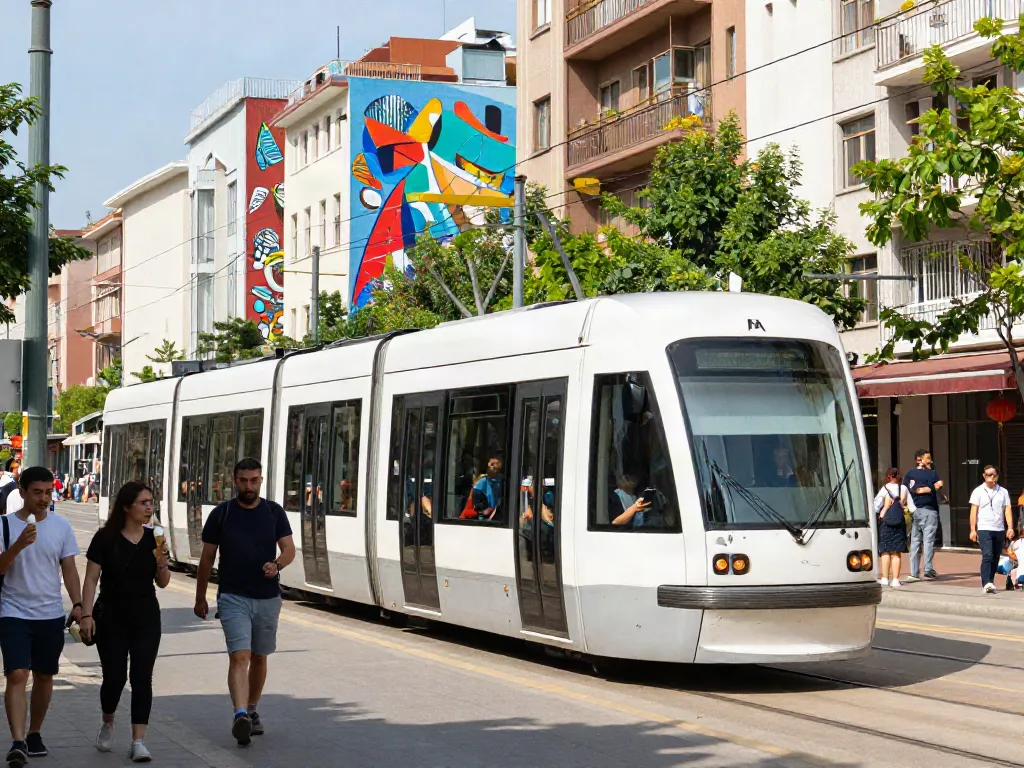
The Importance of Urban Public Transport for Residents
Urban public transport plays a critical role in shaping the livability and sustainability of cities. As populations continue to grow, the demand for efficient, reliable, and eco-friendly transportation solutions becomes increasingly pressing. With rising traffic congestion and environmental concerns, public transit systems, including buses, streetcars, and light rail, provide essential services that benefit both residents and the urban ecosystem. When exploring options, streek.ca offers comprehensive insights into navigating local transit effectively.
Understanding Public Transport Systems
Public transport systems consist of various modes of transportation designed to move passengers efficiently within urban areas. These can include subways, buses, light rail, and streetcars, each serving a specific function in the transportation network. A well-integrated public transport system can reduce reliance on personal vehicles, leading to less traffic congestion and lower emissions. Understanding the interplay between different modes of transport is key to leveraging the benefits they offer.
The Role of Streetcars in Modern Cities
Streetcars have seen a resurgence in popularity as cities aim to enhance their public transport offerings. Unlike buses, streetcars run on fixed tracks, allowing for more predictable travel times. Their capacity often exceeds that of buses, making them an efficient option for high-density corridors. Moreover, streetcars are often viewed as attractive alternatives that can enhance urban aesthetics and promote economic development along their routes.
Benefits of Using Public Transport
- Cost-effectiveness: Public transit can significantly reduce commuting costs compared to owning and maintaining a vehicle.
- Environmental Impact: Using public transport reduces individual carbon footprints, contributing to cleaner air and a healthier planet.
- Improved Accessibility: Public transport provides essential mobility for those without access to private vehicles, enhancing equity in urban settings.
- Community and Connectivity: Public transit helps connect people to jobs, education, and essential services, fostering community cohesion.
Maximizing Your Commute with streek.ca
With the increasing complexity of urban transport networks, planning your commute effectively can enhance both efficiency and comfort. The right tools can help you navigate transit schedules, routes, and fares seamlessly.
How to Plan Your Route Effectively
Planning a successful commute starts with understanding your options. Utilize apps and websites that provide real-time transit information, enabling you to select the quickest and most efficient routes. Factors to consider include transfer times, wait times, and service interruptions. By exploring alternate routes, you may discover less crowded options or faster travel times.
Using Technology to Enhance Your Travel Experience
Mobile apps and digital tools have transformed how commuters interact with public transport. From real-time tracking of buses and trains to mobile payment systems that eliminate the need for cash, technology has streamlined the user experience. Keep an eye on emerging trends such as contactless payments and predictive analytics to further enhance your travel experience.
Tips for a Comfortable Commute
To ensure a pleasant journey, consider the following tips:
- Travel Off-Peak: If possible, adjust your schedule to avoid peak travel times, which can be crowded and stressful.
- Be Prepared: Check the weather and bring any necessary items, such as an umbrella or water bottle, to enhance comfort during your commute.
- Stay Connected: Use headphones or mobile devices to listen to music or podcasts, making the commute more enjoyable.
Addressing Common Challenges in Urban Transportation
Despite the benefits of public transport, commuters often face various challenges, including delays, overcrowding, and misinformation. Understanding these issues is crucial for developing strategies to overcome them.
Overcoming Delays and Uncertainties
Transportation delays can be frustrating, but being prepared can help mitigate their impact. Always allow extra time for your journey, especially during peak hours or adverse weather conditions. Check for service alerts and updates before you leave, and consider alternate routes that may be faster or less impacted by delays.
Dealing with Crowded Spaces
Crowded trains and buses can be uncomfortable, but there are ways to navigate this experience. Consider traveling during off-peak hours or utilizing transport services that offer more spacious options, such as cable cars or light rail. Additionally, try to remain calm and patient, as stress can exacerbate feelings of discomfort in crowded environments.
Misinformation and Current Events Impacting Transport
Staying informed about current events can help you navigate the urban transport landscape more effectively. Follow local news outlets, transit authority announcements, and community forums for real-time updates that may affect service availability. Engaging with fellow commuters can also provide valuable insights into ongoing transport challenges.
Best Practices for Safe and Efficient Travel
Implementing best practices for transit can significantly enhance your commuting experience and ensure your safety while traveling.
Staying Informed: Apps and Resources
Take advantage of apps that provide real-time transit information, alerts about delays, and route planning assistance. Many cities offer official transit applications, while third-party apps can aggregate data from various sources, providing a comprehensive overview of the best travel options.
Safety Guidelines for Urban Commuters
Your safety should remain a priority while using public transport. Always remain aware of your surroundings, avoid distractions like excessive phone use, and keep your personal belongings secure. Consider traveling with a friend or family member during late hours for added safety.
How to Advocate for Better Public Transport
Community advocacy plays a crucial role in improving public transport systems. Engage with local council meetings, participate in surveys, and join advocacy groups to voice your concerns and suggestions. Collectively, these efforts can influence policy changes and budget allocations that prioritize public transport improvements.
Future Trends in Urban Transportation by 2026
As cities evolve, urban transportation is poised for significant changes driven by technology, policy adjustments, and community engagement.
Innovative Technologies Shaping Commuting
Expect to see the integration of artificial intelligence, autonomous vehicles, and electric buses as burgeoning technologies transform urban transportation. Innovations such as mobility-as-a-service (MaaS) platforms will allow users to access various transport options through a single app, enhancing convenience and efficiency.
Public Policy and Infrastructure Developments
Governments are increasingly recognizing the importance of robust public transportation systems in combating climate change and enhancing urban livability. Anticipate investments in infrastructure, such as dedicated bus lanes, expanded rail networks, and enhanced connectivity between different transport modes.
Community Involvement in Transit Planning
The future of public transport will depend heavily on community input and feedback. City planners will need to ensure that transit systems reflect the needs and preferences of the communities they serve. Empowered citizens will play a vital role in advocating for transparency and inclusivity in transport planning processes.
What are the benefits of using public transport over personal vehicles?
Using public transport offers numerous benefits, including lower costs, reduced environmental impact, and improved accessibility for those without personal vehicles.
How can I use technology to improve my commuting experience?
Technology can enhance your commuting experience by providing real-time updates, route planning assistance, and mobile payment options, all of which make public transport more efficient and user-friendly.
What should I do in case of transportation delays?
In case of delays, always allow extra travel time, use apps for real-time service updates, and explore alternate routes or transportation options when possible.
How can I contribute to the improvement of urban transport?
Your involvement in local advocacy groups, participation in community meetings, and sharing of feedback with transit authorities can significantly contribute to enhancing urban transport systems.
What new trends should I expect in public transport by 2026?
By 2026, anticipate advancements in technology, increased investments in infrastructure, and a greater emphasis on sustainability and community involvement in public transport planning.